
Being Kind, to Yourself

When you think about self-compassion, what comes to mind?
For many people the idea of self-compassion is imbued with weakness, coddling, and excuses. There’s a cultural undertone in our world of hustle that places productivity and outward achievement on a pedestal that quietly whispers self-compassion could hold you back, but that couldn’t be further from the truth.
Clinical research has proven that a practice of self-compassion leads to higher resiliency, a willingness to take bigger risks in life, and courage because when you are self-compassionate you know that if you fail there is a safe space inside of you.
Without self-compassion we feed the inner bully who criticizes, focuses on failures as unacceptable, and is a core component of perfectionism as well as a fixed mindset. Lack of self-compassion is actually the weakness that will hold you back from going out into the world and living life fully.
According to Doctor Kristin Neff, a researcher and professor at the University of Texas at Austin who runs the Self-Compassion Research Lab, self-compassion has 3 elements:
Self-Kindness
Common Humanity
Mindfulness
Healing happens when there’s a felt-sense of kindness, and there are many ways you can show yourself the kindness that is essential to cultivating a living practice of self-compassion.
Self-Kindness
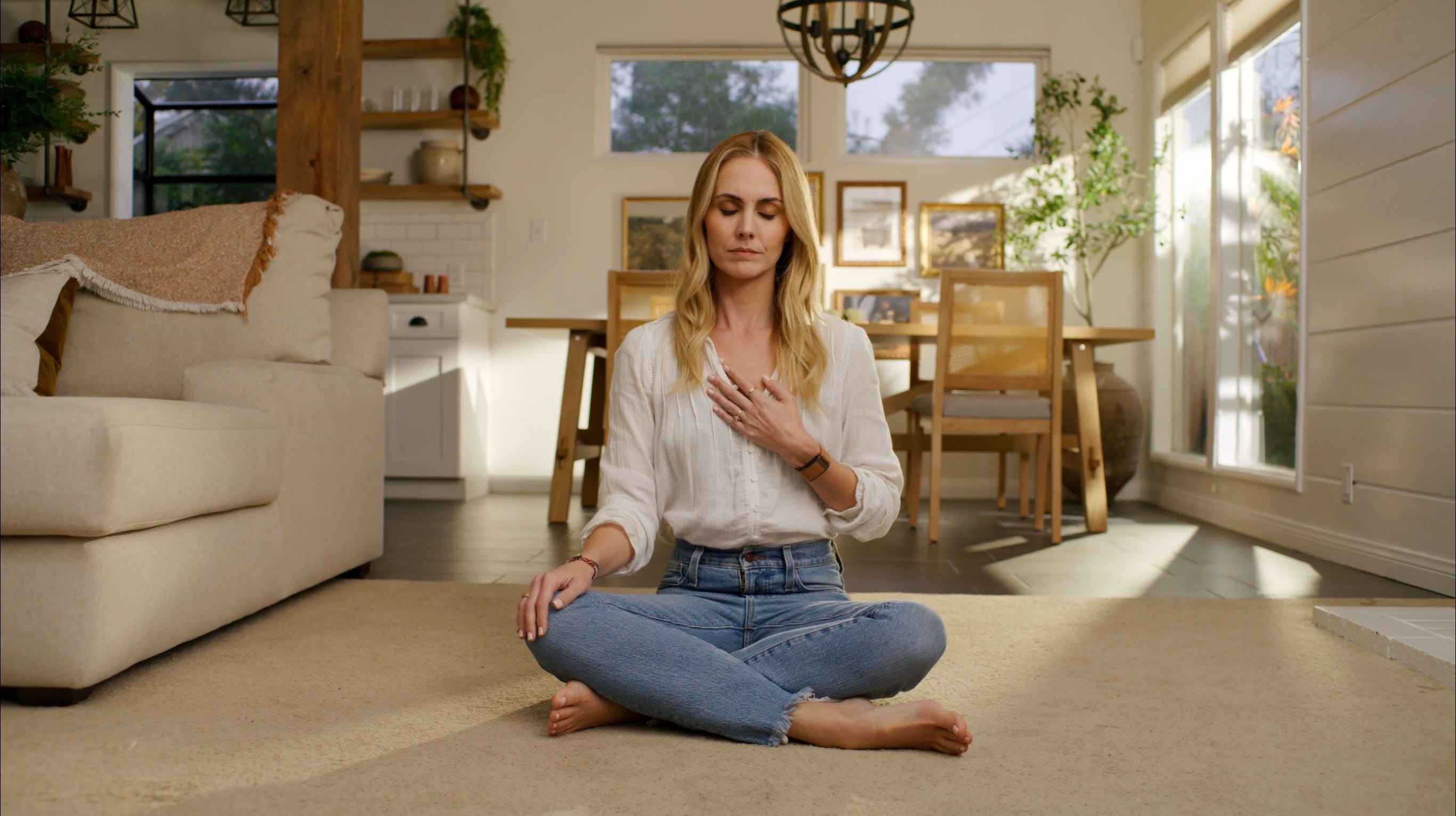
In moments of struggle or when you’re stuck, you might internally and silently say a supportive word or phrase to yourself, such as “it’s ok” or “I love you.” You might place a hand over your heart or some place else on your body that feels kind as you breathe into that place, you might call an image to mind that you find soothing such as a loving friend or mentor or a place in nature. These acts, which require the courage to pause, help imbue your day with the self-kindness that is essential to implementing self-compassion.
Common Humanity
Non-judgment, which last week’s post addressed, is another aspect of self-compassion because it grounds you in our shared humanity. Returning to topics we’ve already covered such as the Yamas and Niyamas, looking at the ways the mind of separation comes into play, and continuing to notice moments when you are caught in labels or categories, are all aspects of returning us to our shared humanity and oneness. Remembering our common humanity connects us to empathy and in turn, connects us to self-compassion. As you continue practicing everything we’ve touched upon building up to this week’s post, and as you continue moving through each “Living Your Practice” assignment, you are actively practicing the second aspect to self-compassion: reconnecting with our common humanity.
But mindfulness, the third component to self-compassion, might be the trickiest part.
Mindfullness
Mindfulness researcher Ellen Langer says,
“mindLESSness is pervasive. In fact, I believe virtually all of our problems - personal, interpersonal, professional, and societal - either directly or indirectly stem from mindlessness.”
Dr. Langer’s research on mindfulness started long before the mindfulness movement we see today, long before meditation was as widely accepted and practiced in the west as it is today. But over the years she has actually stopped researching meditation as mindfulness because her research shows that mindfulness isn’t just what we do when we sit to meditate, it’s how we LIVE. She says, “mindfulness…is instead the simple process of actively noticing things, no meditation required.” Mindfulness is a condition of the body.
Now, I’m not suggesting you shouldn’t meditate. American Zen teacher Baker Roshi said,
“enlightenment is an accident - but meditation makes us accident-prone.”
Meditation practice is like going to the gym for your mind. It’s the time and place where you strengthen the muscle of mindfulness, but it’s critically important to understand that if your mindfulness practice doesn’t transcend your meditation cushion, you are missing the point and missing out on the power to live a life of self-compassion.
And if you don’t believe me Ellen Langer’s “early research on the topic suggests that just being in the presence of someone mindful increases our own mindfulness.” And what could be more compassionate than that?
James Doty, the head of Stanford University’s Center for Compassion and Altruism Research and Education says,
“the science we have today demonstrates these practices of mindfulness, self-compassion, and compassion are some of the most powerful that exist to change your physiology and to benefit you in your own health, mental and physical, and in terms of your longevity.”
So if you want to not only live a long life but a good life, self-compassion is the medicine we all need.
Chistropher Germer writes,
“a moment of self compassion can change your entire day. A string of such moments can change the course of your life.”
And if you want the power to live, nothing will benefit you more than embracing the power of self-compassion.
Living Your Practice
This week, when you are stuck or struggling, choose a practice of self-kindness to implement. These acts, which require the courage to pause, help imbue your day with the self directed kindness that is essential to implementing self-compassion. Three options include:
Internally and silently say a supportive word or phrase to yourself
Place a hand over your heart or some place else on your body that feels kind as you breathe into that place
Call an image to mind that you find soothing such as a loving friend or mentor or a place in nature
According to Dr. Kristin Neff, self-compassion is made up of 3 elements: self-kindness, common humanity, and mindfulness. Write 2 - 5 ways you will actively practice each of these 3 components this week.
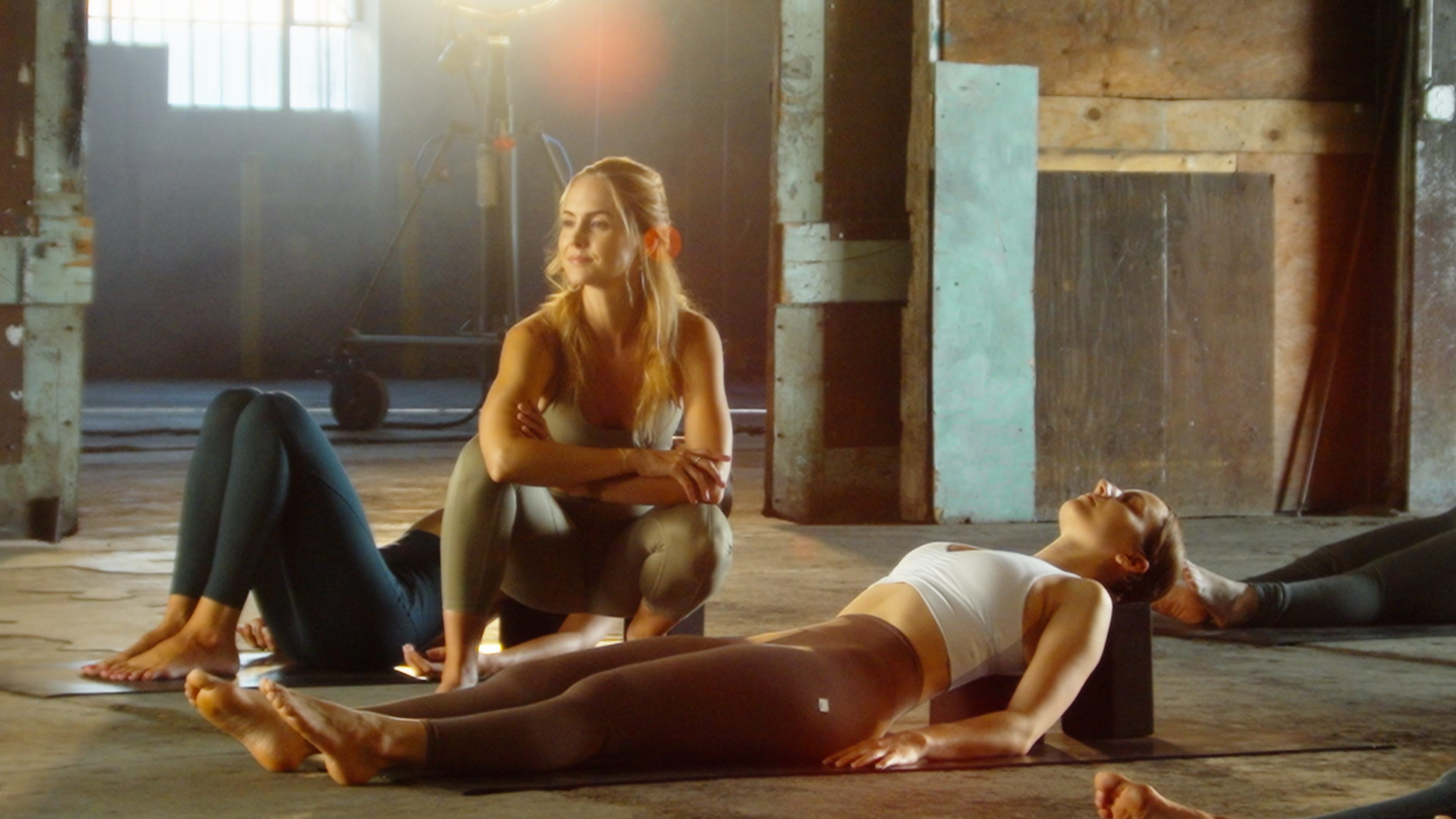
Your practice is never selfish. It is an act of self-compassion that supports all 3 components to self-compassion. Through practice you mindfully do something kind for yourself and connect with our common humanity. I encourage you to take steps this week to get on your yoga mat. This might be the perfect week to explore some Restorative Yoga, Yin Yoga, or guided meditation practices at Inner Dimension Yoga with me.
This is definitely something I struggle with, whether it’s the constant inner dialogue of the perfectionist or my higher-than-possible standards for myself. But this is NOT what I want to teach my children, and this is not what the inner child within myself deserves. So I will continue to practice the self-kindness, common humanity, and mindfulness. Thank you!!!