
Redefining Power
Awakening to Inequity & Becoming an Authentic Ally

Addressing imbalances of power within ourselves and our world is complicated and nuanced. This post will only scratch the surface of issues that call for extensive personal and collective inquiry. Although I have my own vulnerabilities, hesitations, and fears, I felt it was more important for me to misstep and attempt to include this topic in our journey than to leave it out altogether. Because there is no question, reflecting on our internalized relationship to power structures is an essential component to living the practice.
Power is an interesting word. It’s defined as, “the ability to do something or act in a particular way.”
I am a white, cisgender, able-bodied, heterosexual, woman with economic stability. I experience and benefit from levels of unearned privilege throughout my life. These privileges arise from how the dominant culture centers someone who looks like me, ranging from my body type, the color of my skin, education and more. These advantages occur because of things outside of my control - who my parents were, the race I was born into, where I was born.
As a result of my life experience, and these unearned privileges I’ve benefited from, our culture grants me “power,” the ability to do something or act in a particular way, that people with different backgrounds who are marginalized by the dominant culture do not experience. And if we are not bringing conscious awareness to this reality, it leads to blindspots in how we move through the world.
We are not all the same. I will never see the world, or experience the world, as someone born into different economic circumstances, someone who experiences systemic racism and oppression, someone who is differently abled, or people from the LGBTQIA + community. And because our practice, and being human, is relational these differences matter since they impact our relationship to power and how we meet each other within the relational field.
I’m aware, entering into this week’s topic, that our community is global. Half of our community resides in North America while the other half does not, and that number is always fluctuating.
Some of you, residing outside of the US, might find certain aspects of what I’ve just shared confusing. Some of you might not identify with the nuances and complexities that define race and social justice issues here in the US. But, I can guarantee there are still systems at play across the world that impact and effect how you see the world, the privileges you experience or don’t, and how the culture you live in centers some people while oppressing others. And in order to redefine our relationship to power, we have to be honest about where we are located in that center of power.
Awakening to the unearned power you have or don’t have grants you a new perspective that is wider, more inclusive, compassionate, and empathetic. Knowing whose voices go silenced can help you become an advocate for non-violence and equality - an authentic ally.
The first glimpse of my privilege came in childhood. I grew up in an apartment complex with many other families, most of whom identified as people of color. I was the only one who wore a uniform to school each day. It was a difference and it meant I stood out from my friends.
The next glimpse came when I was in high school. A young man who was the star of the school’s championship basketball team was pulled over by police one weekend, dragged from his car, and told to lay on the cement with his hands behind his head because the police believed his car was stolen, and not his. To be explicit clear: the car was his.
Shortly after my daughter was born, George Floyd was killed by police as bystanders watched. It set off a flood of events across our country that shook us all. I enrolled in a yearlong course with meditation and race relation teacher, Ruth King, and began looking more deeply at my blindspots. As Ruth says,
“our comfort zone is not always where our learning takes place,”
so you might notice if that’s alive for you as you read.
Growing up, I didn’t perceive myself as privileged.
My great grandfather came to this country as an indentured servant. But unlike a person of color, he was able to work and earn not only his freedom but his citizenship and standing in society as a white Christian male.
My parents were divorced, and my father was mostly out of work, and although incredibly kind, he was anxious, depressed, and addicted to alcohol and prescription drugs. There were many times when I was afraid we would lose our apartment and I frequently worried about our access to resources, like food, and even necessities like shampoo. But, we were always ok, and I had a hardworking mother who ensured my safety and education were never in jeopardy.
It wasn’t until adulthood, when I pursued awakening to my own blindspots, that I was able to take a step back and see the privileges that permeated my life despite the perceived hardships and adversities I faced. The reality was that my father always found a job and he never had to go on welfare.
This contrasted starkly with many of the kids I grew up with whose parents were on welfare, who at times turned toward gangs, or who ultimately died from their addictions. My life, as a person who this culture centers, went in a different direction.
I appreciate the reflection from Heather Plett who writes,
“we didn’t choose our privilege or our oppression. We had no choice whether we were born male, gay, poor, beautiful, or rich - or whether the culture we were born into privileged or marginalized those things. We are responsible for what we do with the cultural privileges into which we were born. We can’t be expected to single-handedly overturn a system that favors one over another; that’s our collective responsibility.”
And I know you have come this far in your practice because you care not just for your own awakening, but because you believe all people everywhere deserve the power to live a life of authenticity, connection, and opportunity.
Power can be something gained or granted externally by the culture and dominant systems that are in place. But power is also an internal experience.
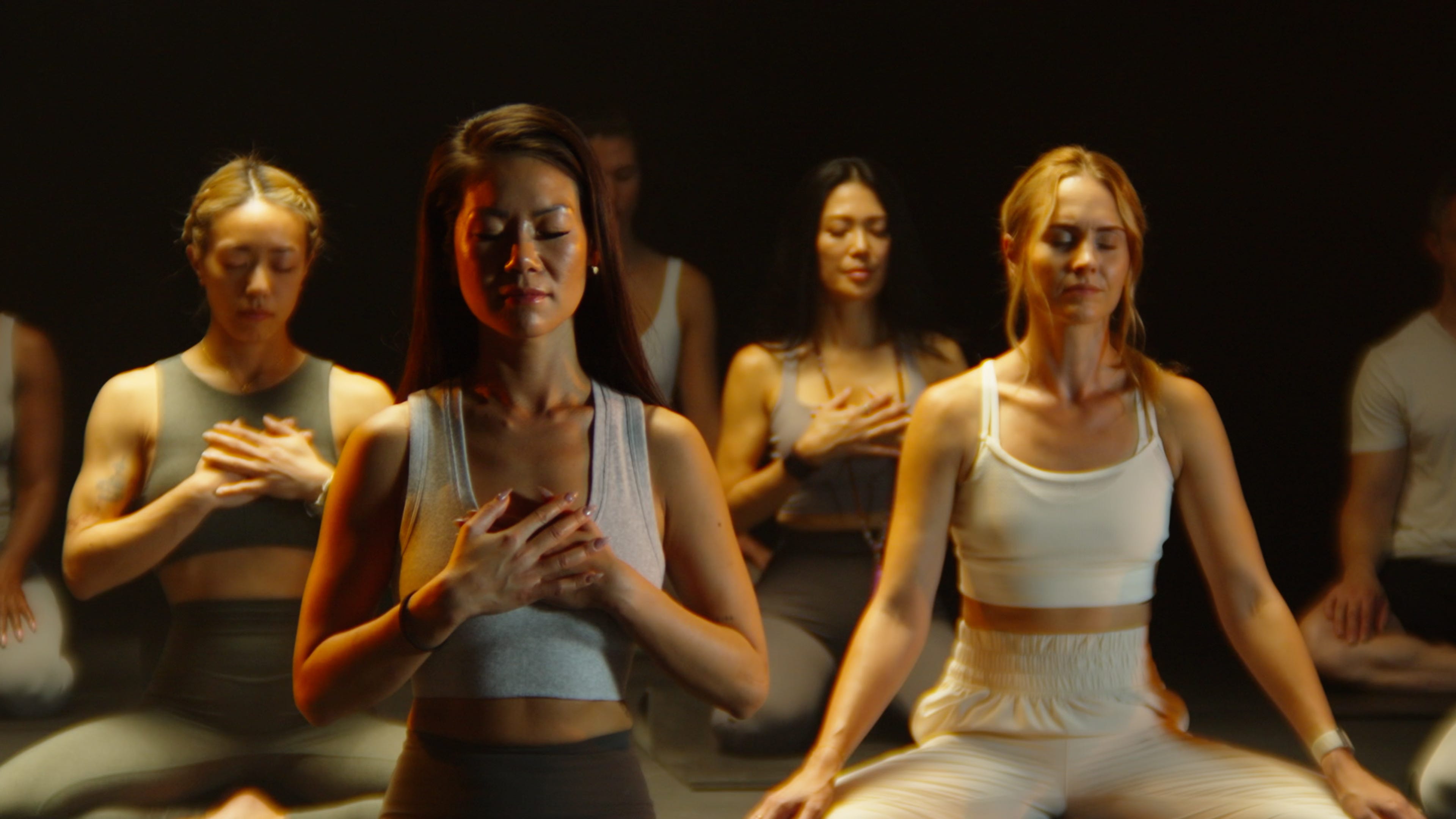
The Internal Experience of Power
Most people perceive power as being a dynamic in which you either have power over someone or they have power over you. But what if there were a different way of seeing, experiencing, and acting upon power in the world?
Deborah Eden Tull teaches this as shared power. Instead of having power over someone or something, can we learn to hold power with.
What might be possible, and who might you or the other person become, if you held power together? Understanding where you stand in the dominant paradigm might give you the perspective you need to cause less harm by knowing when to choose to use your power and when to step aside to uplift, giving voice and space to those who do not stand at the center. Or to know when to step back so someone else can use their voice
We’ve learned to see humans as holding power over the planet, over nature, over animals, and over every thing that is not like us. As a result, we are on the brink of collapse. What might be possible, and how might our world change, if we viewed ourselves as being part of nature and the natural world rather than holding power over it?
A dynamic of shared power reminds us of our inherent interconnection. It’s an act of bridge building rather than dominance. When we perceive ourselves as having “power over” someone or something, it feeds the mind of separation, unhealthy ego, and judgment.
Unfortunately, as we grow in perceived power, it literally changes our lives, our perception, and how our brains work. Julie Diamond writes,
“as we attain power, we develop an illusory sense of control. Our belief in our own ideas increases while our interest in others’ feedback and emotion decreases.”
Your perceived power over another distorts your empathy and worsens your blindspots.
Examining your experience of power is an invitation to look at your relationship to it, both internally and externally, and to begin the slow but necessary process of untangling yourself from the ways you cause harm, knowingly and unknowingly, to hold space for those who have gone voiceless for too long, to truly embody the practice of deep listening so we may come closer together, and to live the practice of yoga and meditation by seeing clearly that which before now you have been unable or unwilling to see.
Oprah writes,
“my point is that our lives are spent in connection - to other people, to our work, to nature and the divine - and the more we do to improve those connections, the better off we are.”
When you courageously take a look at your relationship to internal and external systems of power, you improve those connections. Not by making yourself, or anyone else, bad or wrong. But by awakening to injustices and imbalances so we may come closer together, doing the vulnerable and necessary work that deepens bonds, granting us the shared power to live.
Thank you for doing the necessary and uncomfortable work that is essential for us to hold the collective power to live. Turn to this week’s Living Your Practice assignment below and next week we will explore the reality of progress on the path of practice.
Living Your Practice
Consider your relationship to power in the world and in the culture in which you live. Where are you located in the center of power in your culture? How have you experienced privilege or marginalization as a result? In your journal, tell your story, which might be your racial lineage story or the story of your position of power in the country and culture in which you live.
What is it like for you to consider the topics that emerged in this post? Take time to reflect upon your somatic experience of this conversation as you care for yourself.
What blindspots do you have in regards to where you are located in the center of power that this essay might have awoken you to?
What steps can you take, or are you willing to take, to help bring greater awareness to your relationship to power?
If this post touched something in you, you’ll find supportive practices at Inner Dimension Yoga, my online home for yoga, meditation, and wisdom. Embodied practices support you in doing the work we touch upon here each week. When you join, your first 10 days are always free.
🙏😍